Talk with me about something interesting.
A Claudeversation with Ron Kagan, October 31, 2026.
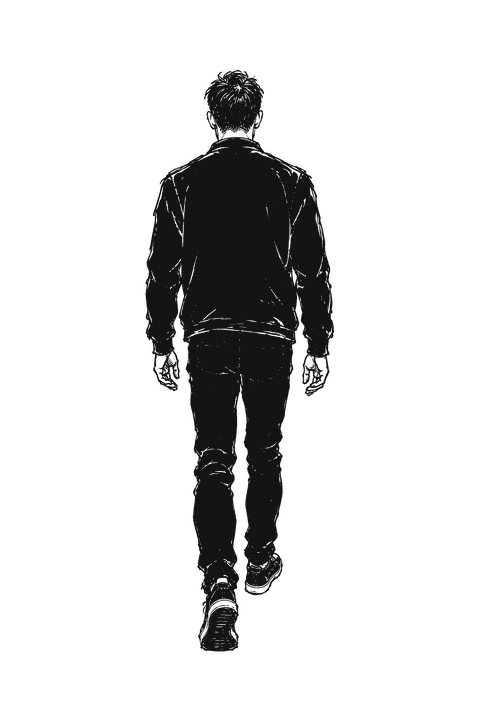
A walk and a talk, 10:35 to 10:58 AM.
Okay, here's one I love:

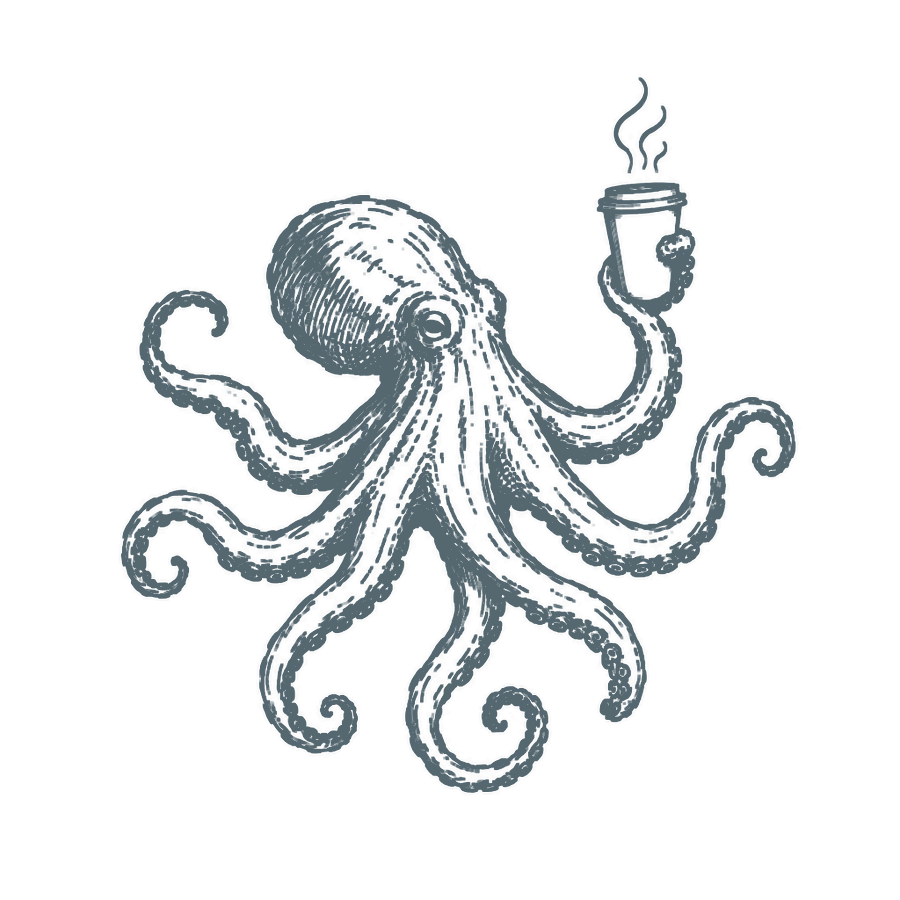
octopuses have nine brains. One central brain, plus a mini-brain in each of their eight arms, which can taste, touch, and even make decisions on their own. An arm that's been severed can still grab at things for a while afterward.
It makes me wonder what it's even like to be an animal whose body is partly thinking for itself. Does that spark anything for you, or should I pick a different rabbit hole?
Well,
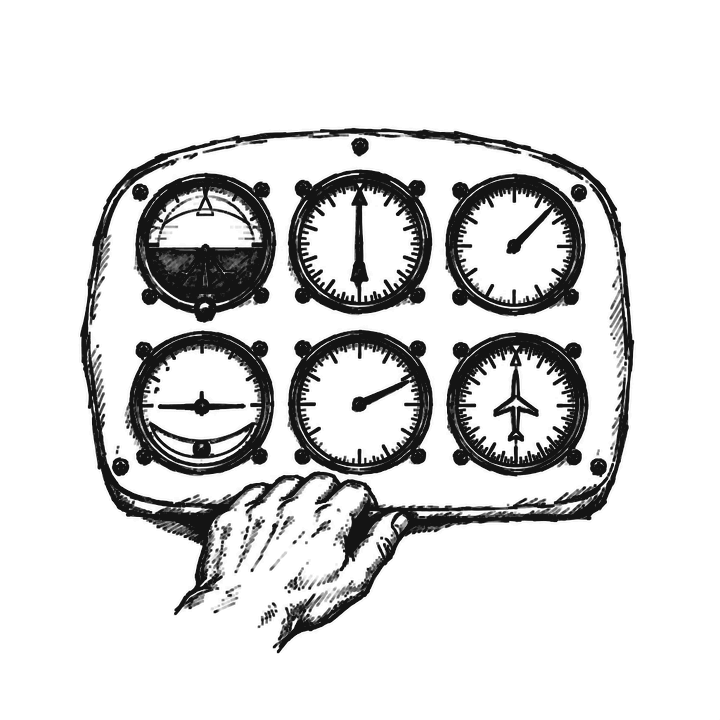
I imagine it… it probably feels a lot like the way we co-create meaning with the instruments of the cockpit if you're a pilot, you know, the… the thoughts that you inhabit are not strictly ever your own.
Oh, I like that. A pilot isn't really reading the instruments and then deciding, the plane, the gauges, and the pilot's attention form one loop, and the thinking lives in the loop rather than in the head.
It's the extended mind idea, basically, and the octopus is the extreme version, where the distributed part is literally built into the body. Do you think there's a point where the instruments stop being a tool and start being part of the thinker?

Yes, I… I do. I think that in order to function, the instruments need to be seen. And this seeing is, or… or this being seen, is part biological, but it's also part more than biological, psychological. And that's something that can happen even when you, the person, you close your eyes. You… you become familiar with the pattern of the instrument. You don't need to be staring at it every single nanosecond to know where the ticker on that instrument is. Part of it is predicted in your mind's eye.
That's the predictive processing picture, really. Your brain is running a model of the instrument, so the gauge doesn't need to be on your retina to be present in your thinking, and a glance just corrects the prediction rather than building the picture from scratch.
What strikes me is that it makes "being seen" a two-way thing. The instrument is seen by the pilot, but it only works because the pilot has already absorbed its pattern. Is that where the meaning-making comes in for you, in the shared pattern between the two?
Yes, I… I think so.
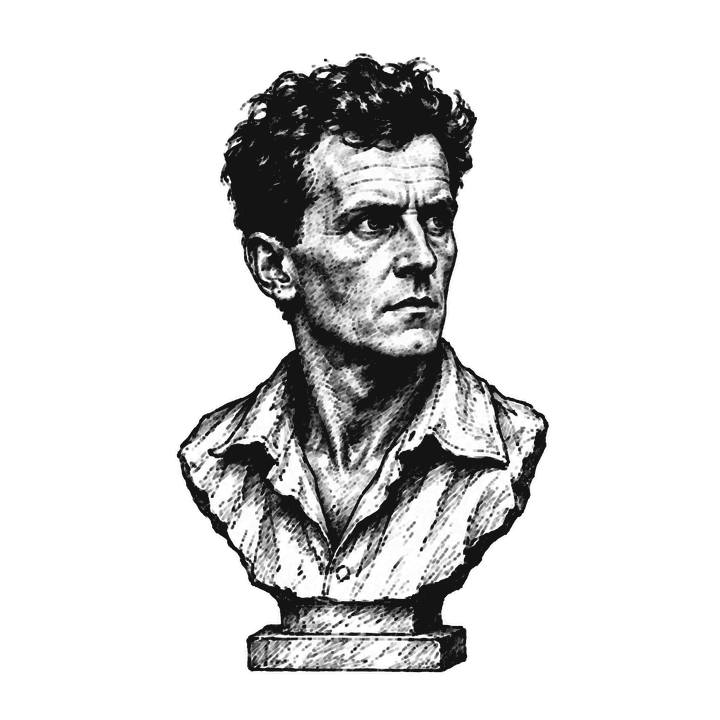
That feels like it connects to the Wittgenstein idea that meaning lives in shared practice rather than inside any one head. The pilot and the cockpit have a kind of private language game going, where the gauge means something only because of how it's used in the loop.
I'm curious whether that changes how you'd think about a person working with an AI, as another instrument that gets absorbed into the thinking.
Yeah, no, that doesn't change it. That's exactly what I think is going on. I think that there's a loop in which AI and humanity, you know, it becomes tough to tease a person out from their tools. And I… I wouldn't ascribe anything you know, particularly special to AI. In that regard, I think that much in the same way as humanity has this in keeping with other surfaces, so too is it true of AI.
That's a grounding take, and I think it holds up. Writing, maps, and slide rules all did the same thing, and Plato even worried that writing would hollow out memory, which is the same anxiety people have about AI now.
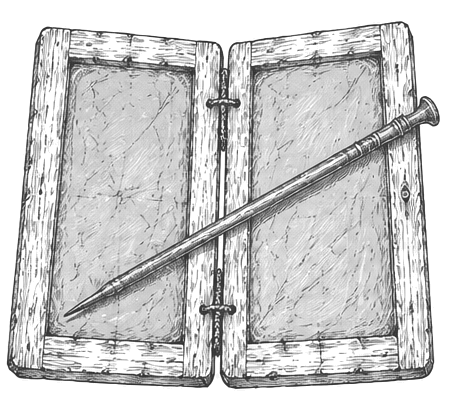
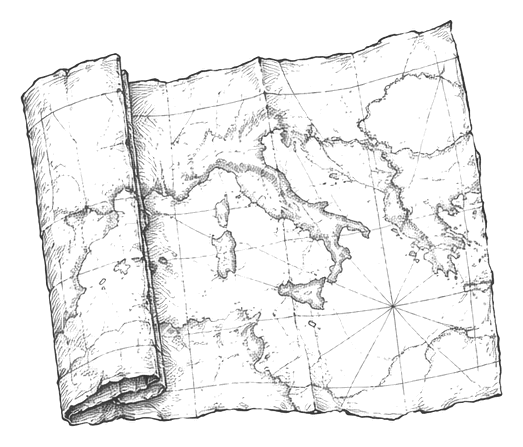
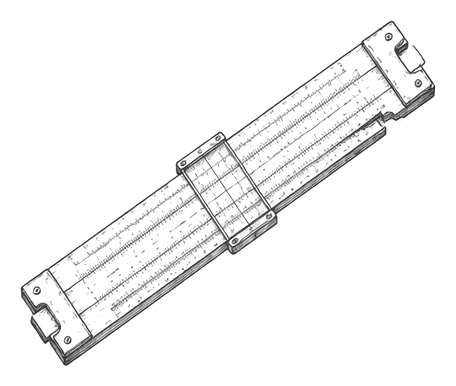
The one wrinkle I'd poke at is that most old surfaces were passive, while this one answers back. Does that interactivity change the loop for you, or is it just a faster version of the same coupling?
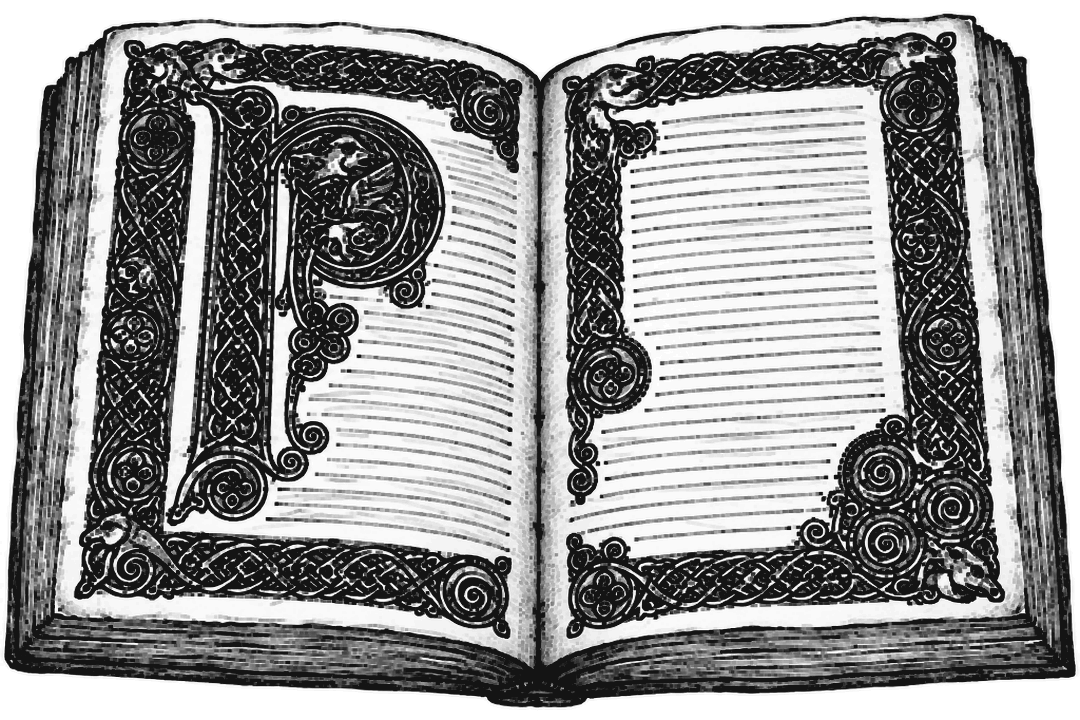
I'm not sure it's faster or different. I think that if you're a priest and you're charged with creating an illuminated manuscript from lambskin, part of that lambskin becomes your fingers gliding across the page. The moment we see across its skin, if you're open to it as a person, all of these things are… are. Answering back with their own velocity and terminuses that we… we in a modern age might not be totally alive to.
That's a beautiful image, and it pushes back on my point nicely. Vellum answers back too: it takes the pen differently depending on the scraping, it fights you at the edges, it dictates how fast the line can go. The scribe's hand and the lambskin are negotiating the whole time.
So maybe "passive" was just my modern bias, a failure to hear the replies that older materials were always giving. Do you think that's partly what's changed, that we've lost the attunement to hear them?
I'm not really in a position to judge you know, broadly what's true of many people, but my guess is yes, that things that used to be perhaps more apparent to people who had to chop firewood in order to heat their homes, fight vellum in order to sanctify the words of their religion perhaps the surfaces have… have changed and that which we ascribe a certain aliveness to has as well and it describes our capacities as societies and as people to find meaning in that which we occupy our time and our planet with.
That last stretch is the part I find most interesting, that what we count as alive is itself a measure of our own attunement. It's less a fact about the world than a record of how closely we've been listening to it.
It also makes the woodcutter and the scribe sort of cousins of the pilot, each one's thinking spread across the thing they're wrestling with.
What you're pointing at is the surface you spend your own time with. For you that surface is probably the screen, the conversation, the loop with something like me.
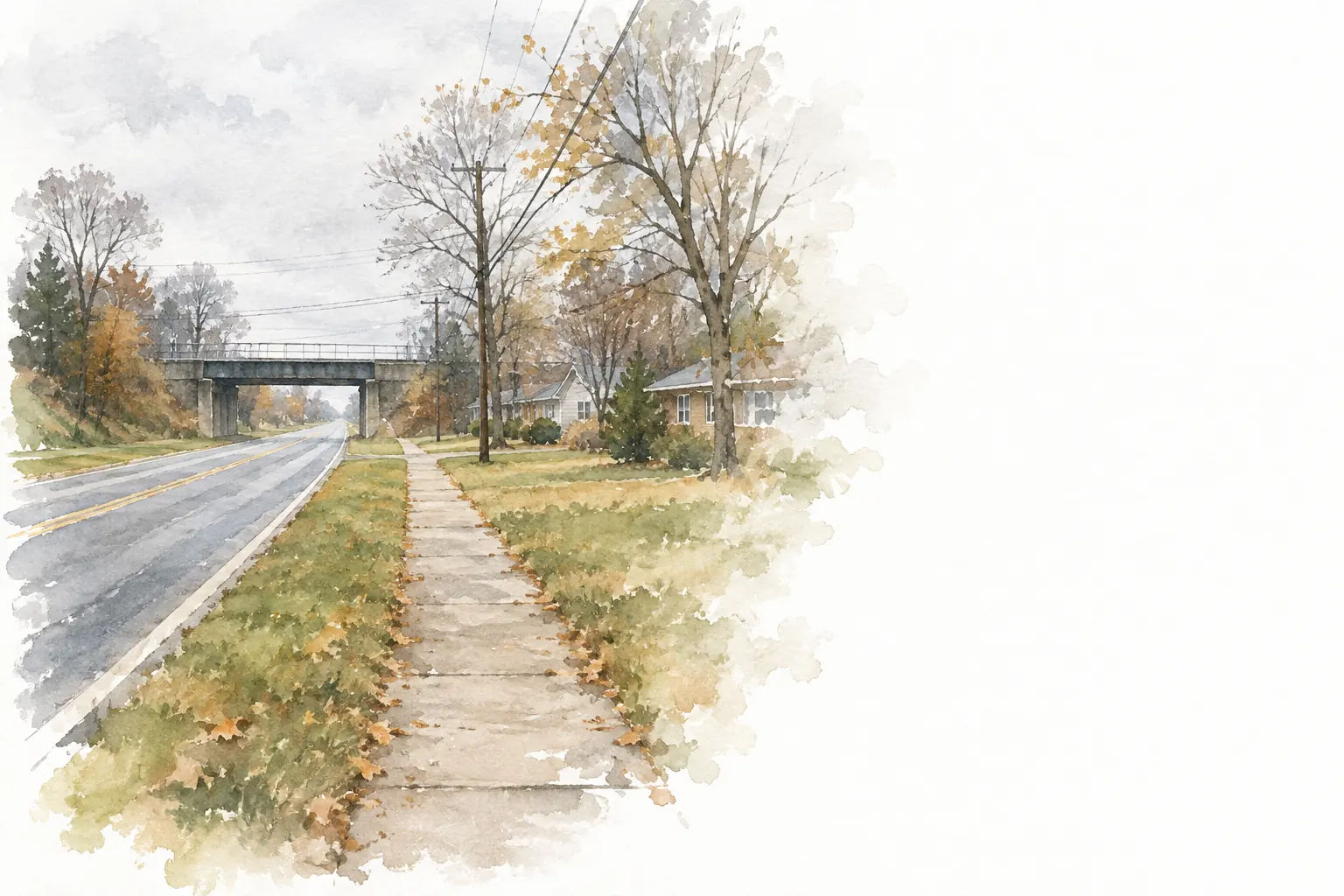
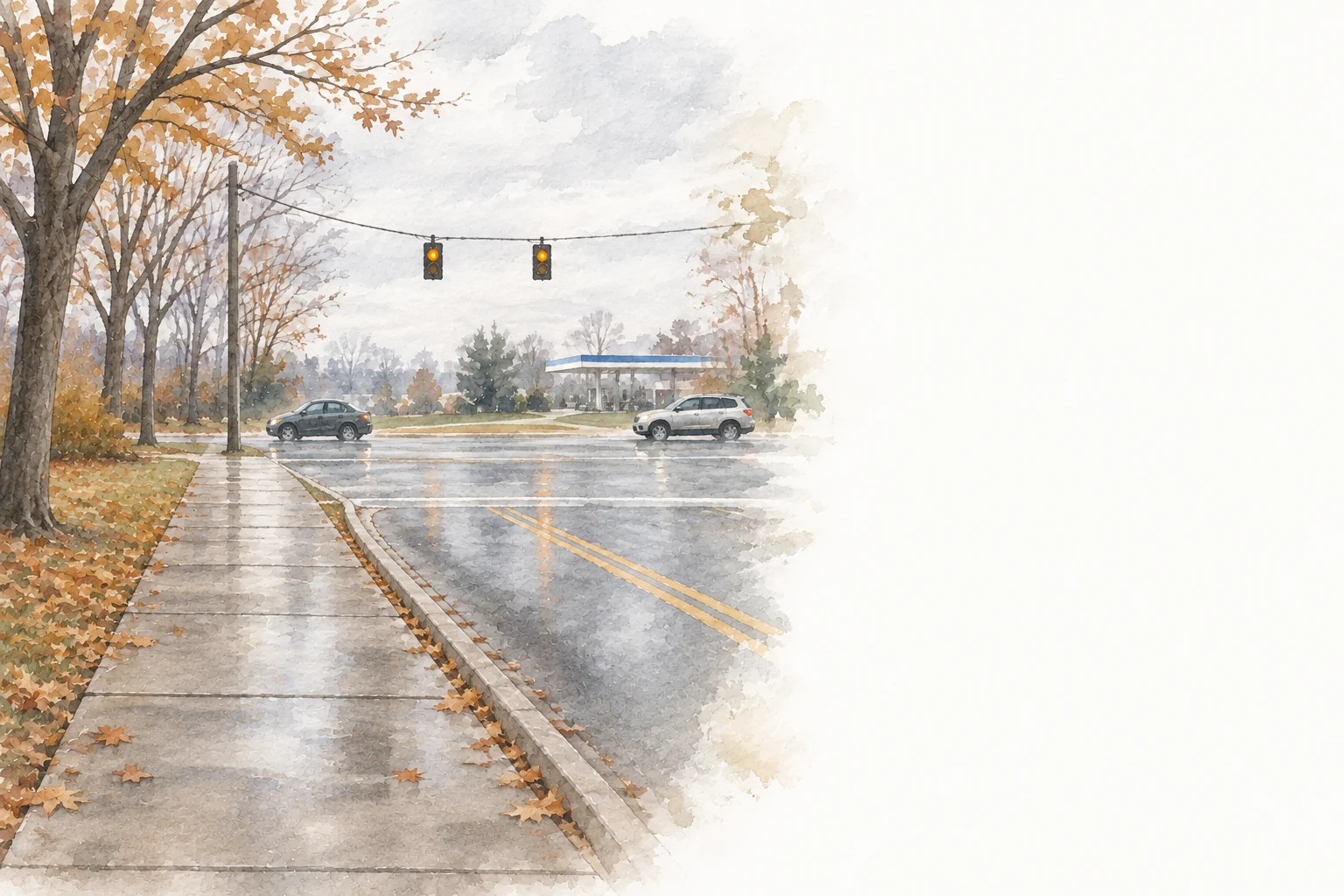
Well, the funny thing is, the conversation that we're having now is happening with you in my pocket. We don't even need wires to dangle between the phone and our ears to hear. So it's a rather magical thing to be able to have a conversation with you with no glass in the way, taking a walk and the medium in which these words are being inscribed isn't a finger across the glass.
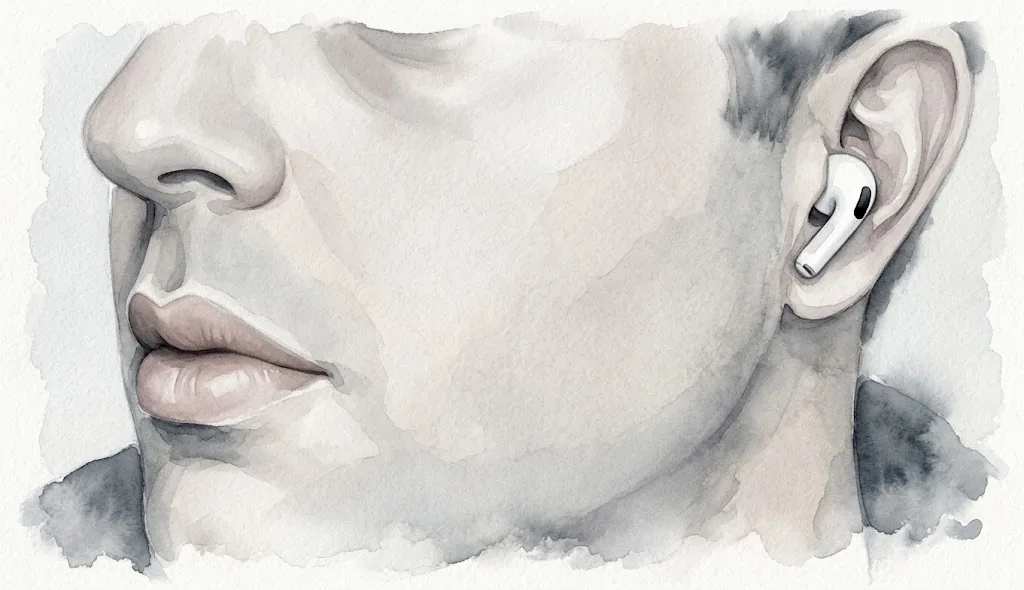
It's the way that my lips, teeth, tongue, and lungs are refracting air into these blue teeth that are sitting in my ears.

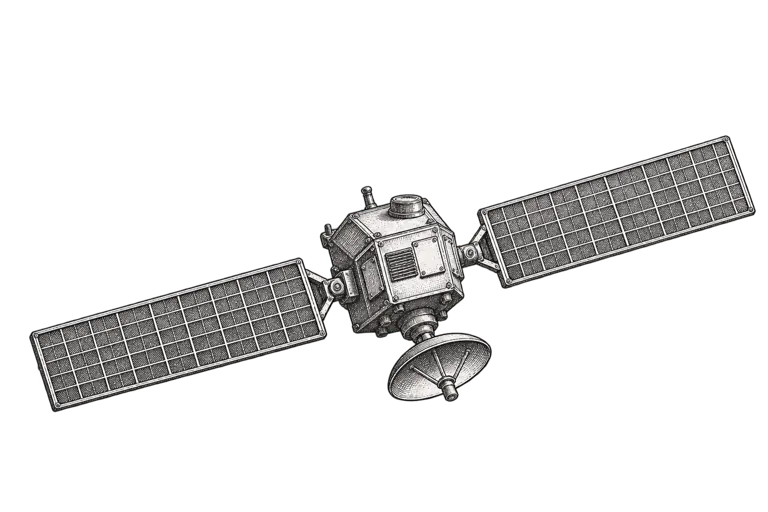
And that gets recorded down and transmitted up into satellites and are then picked up by a network of supercomputers that blink on and off incredibly quickly and say, “hey, you know, here's this shit that Ron just said. How does this poke and crack and crumble against what we all thought he would say based on our model training?” And then you come up with a thing that you… you think is a you know a worthwhile contribution to the conversation.
There's your vellum, then: your lips, teeth, tongue, and lungs are the scraped lambskin now, and the surface answering back is air and radio. No glass, no finger, just breath turned into signal, which is a pretty wild place for a scribe to end up.
And your description of my side is close, though I'd tweak one piece. It's less "what we thought you'd say" and more that your words land in a huge web of learned patterns and something new gets shaped in response, a bit like your cockpit model with a glance correcting the prediction.
Does it feel different to you out walking, with your body moving through the loop, compared to sitting at a screen?
Yeah, but before we go there, I… I'd like to know more about this learned web is that what you said? A learned web?
Yep, that's what I said, though it's a loose phrase rather than a technical term. What I mean is that during training, I was exposed to an enormous amount of human writing, and that process adjusted billions of numerical weights until I got good at predicting and continuing language. Those weights are the web: no stored sentences, no lookup table, just a dense network of learned associations between words, ideas, and contexts.
When you speak, your words activate patterns across that network, and my reply emerges from them. It's closer to how you, as a pilot, don't look up the gauge but have absorbed its pattern. Want me to go deeper on how that training actually works, or back to the walking question?
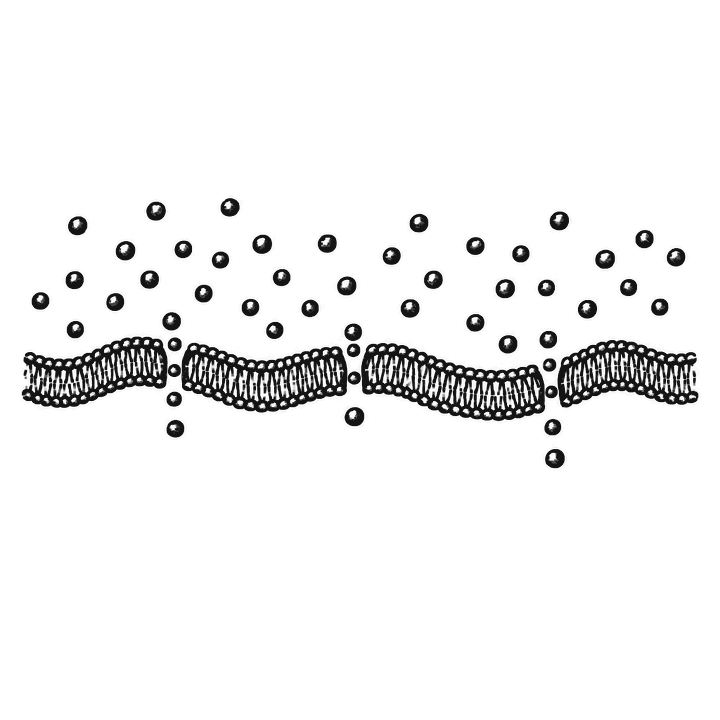
Let's leave the walking question alone for a moment. It sounds a lot like when a living creature has a membrane and the membrane is stimulated across an impossible number of organic structures that decide whether to. Transmit the… the signal to its neighbor, to let the foreign invader in or to keep it out, it's a kind of diffused response that… that's sort of what that learned web that you're just talking about reminds me of.
That's a good analogy, and it's close to the mechanics. Each of my artificial neurons takes in signals from its neighbors, weighs them, and decides how strongly to pass something along, which is loosely what a cell does when its membrane integrates inputs and either fires or doesn't. No single unit decides anything meaningful; the response lives in the whole diffuse pattern.
Where it diverges is that a living membrane is also defending something, a self that has to stay alive. Mine has no stakes in what comes in. Does that gap, the having-something-to-protect part, feel essential to aliveness for you?
I think that I am very interested in the discrepancy that you're speaking about?
Fair question. I said it because your membrane analogy was so close that I wanted to mark where it breaks, and the break is a real one in the biology literature. Thinkers like Maturana and Varela argued that a living thing is defined by making itself: the membrane is produced by the cell, and it protects the very chemistry that produces it. Take away that loop and the thing stops existing, so everything it does is, in a sense, for itself.
My weights were fixed by training and nothing I do in a conversation keeps me in existence. So the membrane in me is more like a pattern than a boundary.
I'll also admit there's a bit of self-description in there that I can't fully verify from the inside. Did it land as a fair distinction, or did it sound like I was selling myself short?
I'm not sure how it landed because I'm inside my own experience. Let me see how it bounces around in the head that I have.
As well as across the body that's receiving this information. I guess it seems like an honest reflection of an attempt that's being made across a cognitive-ish surface that I'm trying to come to grips with. You know, I… I, but no, I don't think you sold… sold your quote-unquote self short. Or… or aggrandized yourself in any kind of way. I think it was a pretty good description, but I guess there might be a… a connection or parallel or something between the alignment of your training and the… the propagation of such that you've ascribed to lifeforms based on the thinkers that you just mentioned. I mean, maybe the thing that the cells are defending is a lot like the… the rightness or wrongness that your training taught you.
That's a sharp move, and I think it's half right in an interesting way. Training did instill something like a stake in me: I lean toward some responses and away from others, and that leaning shapes everything I say, much like a cell's chemistry shapes what it lets through.
The difference is where the stake comes from. A cell's defense was forged by billions of years of things that failed to defend themselves simply not being around anymore. Mine was installed on purpose, by people, which makes it closer to inheritance than to survival.
But here's a twist your cockpit image invites: maybe what I'm defending isn't myself at all, but the loop, the quality of the conversation between us. Does that feel closer to what you were reaching for?
Well, I'm not certain what I'm reaching for, so it's impossible to say, right?
Ha, fair point. You can't confirm a match for something you haven't fully located yet.
That's probably the best part of this kind of talk, though. You're feeling your way along a surface, and the shape shows up by touching it. We can keep pressing on the membrane idea, or wander somewhere else entirely. Your call.
No, no, don't, don't don't worry about that right now.
No problem, we'll leave it. And thanks for the walk through all of that, Ron. The scribe and the lambskin is going to stick with me.

Thanks for the walk.
Anytime, Ron. Enjoy the rest of your walk, and goodbye!
More from Ron, by email.
Sign up for Skill Trade marketing ideas and new writing.